Woodrum Toyota of Macomb

Blog / 2024 Toyota Prius

Toyota Prius Care: Hybrid Vehicle Maintenance Tips

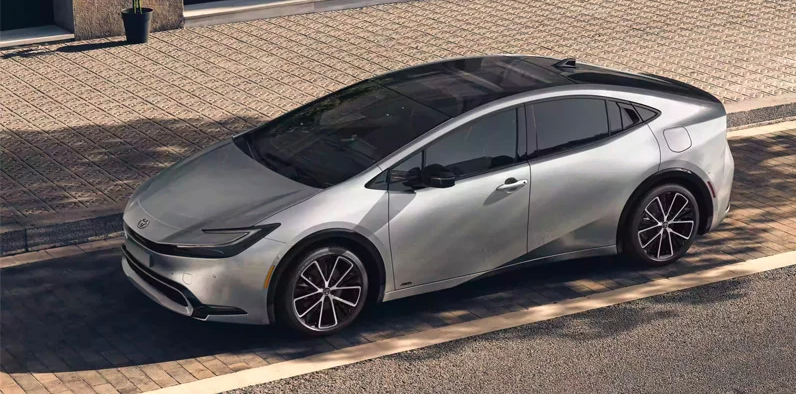
A silver 2024 Toyota Prius parked on the side of the road

If you're thinking about getting a Prius, a Sienna, or any other electrified model at your local Toyota dealer, the chances are you're curious how it stacks against your old petrol or diesel vehicle. One standout revelation is how familiar Toyota hybrid maintenance is. Read all about it below.

1. Change the Engine Oil and Oil Filter

Your hybrid may look like something from the future, but underneath, it still packs a traditional engine. This means you'll need to keep an eye on the oil level and refill it with Toyota genuine motor oil when necessary. Normally, you'll want to change the oil every 10,000 miles or 12 months, whichever comes first.

However, if your car is new, you're driving in heavy traffic, or you've got the habit of flooring the accelerator and slamming the brakes, expect higher oil consumption. In those cases, you may need to top it up sooner than the next scheduled change. And don't forget to replace the filter whenever you change your oil.

2. Inspect All Fluid Levels

Engine oil isn't the only fluid running through your hybrid's veins. There's also transmission fluid, coolant, brake fluid, differential fluid, power control unit coolant, and transfer case fluid. Toyota recommends inspecting and adjusting all fluid levels every 5,000 miles or six months.

3. Inspect the HV Battery Cooling Intake Filter

This HV battery cooling intake filter is vital for keeping the hybrid battery at a safe operating temperature. If it gets clogged with dust or debris, airflow is restricted, and the battery may overheat. This can severely reduce the battery's performance and lifespan. So, give this filter a quick visual check every 5,000 miles. If it looks a bit grimy, clean it up. And at 20,000 miles, a full-on clean is a must.

4. Check the Braking System

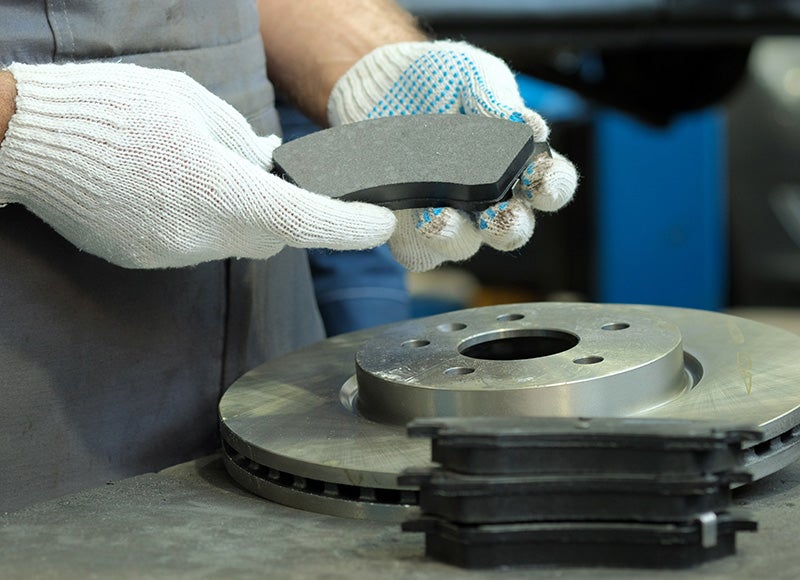
Although your hybrid relies on regenerative braking most of the time, the conventional brakes aren't just along for the ride. They still put in serious work, especially when you need to slow down quickly. A thorough check every 5,000 miles ensures the brake linings/drums and pads/discs are up to the job.

5. Rotate Your Tires

Tires aren't cheap, so it's only natural to want them to last as long as possible. The solution? Tire rotation. Every time you come in for an oil change, make sure you get your tires rotated as well.

Keep your vehicle in peak condition with our expert hybrid maintenance service and genuine Toyota parts. Call Woodrum Toyota of Macomb in Macomb, IL, and book your appointment today.
Posted in:

Related Posts

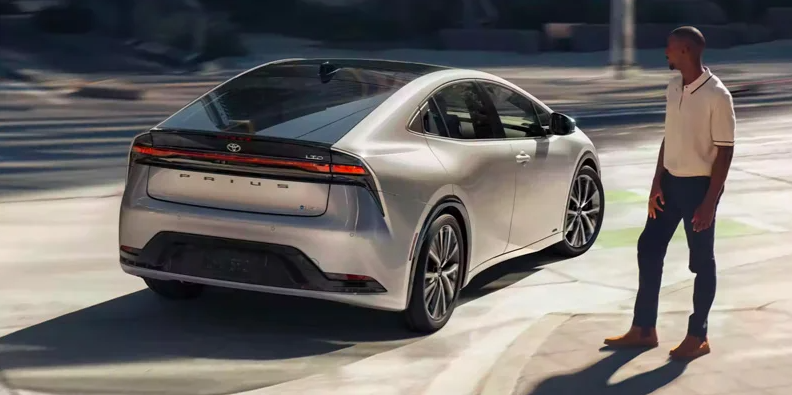
A man looking at a2024 Toyota Prius as it makes a turn.

Introducing the All-New 2024 Toyota Prius: A Sleek and Efficient Hybrid

Since its emergence on the market, the Toyota Prius has become the most popular mass-produced hybrid vehicle in the world. Toyota has sold more than 5 million Priuses over the past couple of decades, but it doesn't appear to be taking its foot off the gas when it comes to this popular model. Let's find out why the redesigned 2024 Toyota Prius has people so excited. Updated Exterior and Interior When Toyota started producing the Prius over 25 years ago, the company was seemingly more concerned with developing its hybrid powertrain than making it look like a fun car to drive. But that has changed, as Toyota has moved each year to turn the Prius into a more stylish car. Consequently, the 2024 Toyota Prius has a sportier and more aerodynamic appearance than previous versions. Toyota trimmed 2 inches of headroom from the rear seat to drop its roofline and give it a sleeker exterior. Toyota took a similar approach to the interior of the 2024 Prius. It has a more sophisticated design, with features such as a brand-new gauge cluster. It also includes attractive options such as available heated front and rear seats, which some people may find surprising in a hybrid that has been traditionally defined by its practicality rather than its pomp. Advanced Hybrid Powertrain In addition to the exterior and interior updates, Toyota has also outfitted the standard 2024 Prius with front-wheel drive and a powertrain that features a 2.0-liter hybrid inline-four engine and an electric motor that can generate up to 194 horsepower. There's also an all-wheel drive version of the 2024 Prius that adds an electric motor to its rear axle and allows it to produce up to 196 horsepower. Upgraded Technological Features "Flashy" isn't always a suitable word to describe the technological features of the Toyota Prius, but it seems appropriate now after seeing the 2024 model in action. It comes with a standard 8-inch touch-screen infotainment system, with the option to upgrade to an available 12.3-inch touch screen. This larger screen offers standard Apple CarPlay and Android Auto capabilities, Wi-Fi, and voice control. Its safety features are also impressive. You'll find standard driver-assistance technology that is optional in vehicles similar to the Prius, such as automatic high beams, automated emergency braking with pedestrian detection, and lane-departure warning with lane-keeping assist. The 2024 Prius continues Toyota's commitment to delivering eco-friendly hybrid vehicles that are reliable, stylish, and as popular as ever. Swing by Woodrum Toyota of Macomb in Macomb, IL to explore our inventory of 2024 Toyota Prius models.

Toyota Brake Service

Toyota Brake Service: What Macomb Drivers Should Know

Brakes are a wear system by design. Every stop converts the vehicle's motion into heat, and doing that thousands of times inevitably consumes friction material and puts heat cycles through the rotors and brake fluid. Toyota may engineer its vehicles for long service lives, but no brake pad has been engineered out of physics. That's why routine brake service is important for Macomb drivers: it gives a technician the opportunity to identify normal wear while it's still normal, before one worn component begins damaging another. What Happens Every Time You Press the Brake Pedal A braking system depends on several components doing different jobs at precisely the same time. Brake pads create friction against the rotors, calipers apply the necessary clamping force, and hydraulic brake fluid transfers the driver's pedal input through the system. All of them age differently. Pads gradually lose thickness, rotors can wear or develop surface problems, and brake fluid absorbs moisture over time. As its condition deteriorates, brake fluid can become less effective and contribute to internal corrosion. Routine brake inspection isn't simply about determining if the vehicle still stops; it's about examining the condition of the components responsible for making that happen. Brake Noise Is Information A high-pitched squeal during braking can indicate that the pads are becoming thin. Grinding is considerably more serious and can signal that friction material has worn far enough for components to make damaging contact. Drivers may also notice a soft or spongy pedal, pulling to one side during braking, or a change in how the vehicle responds as the pedal is applied. A brake warning light deserves prompt attention as well, since it can indicate low brake fluid or another problem within the system. These symptoms aren't interchangeable diagnoses, but each provides a reason to have the brakes inspected instead of waiting for the behavior to become worse. A Brake Inspection Is About Measuring, Not Guessing During brake service, a technician can measure remaining pad thickness, inspect the rotors for wear or warping, and evaluate brake fluid level and condition. What happens next depends on what those inspections reveal. Worn pads may require replacement, while rotor condition can call for resurfacing or replacement. Old brake fluid may need to be flushed and replaced, and Toyota models equipped with rear drum brakes may require adjustment. This is why inspection matters: replacing parts based solely on mileage ignores how differently braking systems can wear from one vehicle to another. Driving Conditions Determine How Quickly Brakes Wear There is no single mileage at which every Toyota needs new brake pads. As a general guideline, drivers can benefit from a brake inspection at least once a year or every 12,000 miles, while brake pads may require replacement somewhere between 25,000 and 65,000 miles. That's a broad interval because the driver's right foot and regular driving environment have enormous influence on brake life. Repeated stops generate more friction and heat cycles, so vehicles frequently driven in stop-and-go conditions can consume braking components differently from vehicles spending more time at steady speeds. Macomb-area drivers should use inspection results and their vehicle's service needs to establish an appropriate maintenance schedule. Waiting Can Turn One Worn Part into Several Brake maintenance becomes more expensive when a worn component is allowed to damage another part of the system. Pads that have reached the end of their service life can contribute to rotor damage, while deteriorated brake fluid can affect braking performance and promote corrosion. More importantly, reduced stopping capability is a safety problem long before it becomes a repair-bill problem. Addressing squealing, grinding, pedal changes, pulling, or warning lights promptly gives a technician the opportunity to find the cause while the braking system can still be evaluated methodically. Schedule Toyota Brake Service at Woodrum Toyota of Macomb If your Toyota's brakes have begun making noise, the pedal feels different, or it's simply time for an inspection, bring your vehicle to the service center at Woodrum Toyota of Macomb. Schedule a service appointment to have the pads, rotors, brake fluid, and related components inspected so developing wear can be addressed before it compromises braking performance.

2026 Toyota Corolla Hatchback

2026 Toyota Corolla Hatchback: The FX Edition Joins the Lineup in Macomb, IL

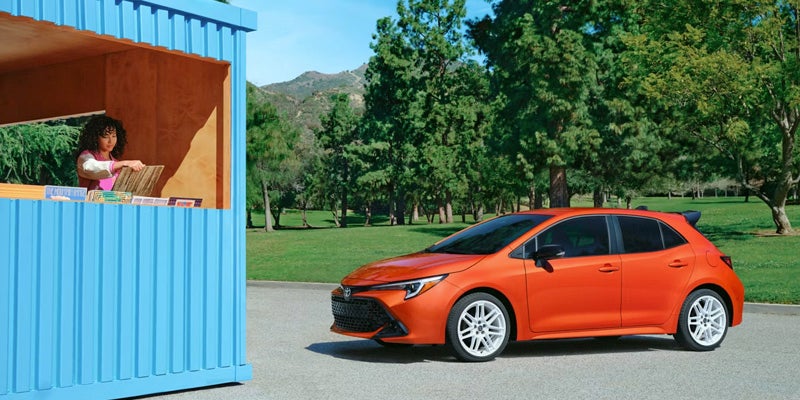
The 2026 Toyota Corolla Hatchback has a direct mechanical recipe: a naturally aspirated 2.0L engine, FWD, and an independent rear suspension. It isn't trying to win a horsepower contest. Instead, Toyota has concentrated on efficiency, predictable handling, and a compact body that can still accommodate 5 passengers. The interesting addition for 2026 is the FX Edition, which borrows visual inspiration from the 1980s Corolla FX16. It brings some welcome personality to the range, although the engineering beneath that distinctive bodywork remains familiar. The FX Edition Brings Back Some Eighties Attitude Based on the SE, the FX Edition wears 18-inch gloss white-finished alloy wheels with black lug nuts, a black vented sport wing, and heritage-inspired rear badging. The wing contributes to aerodynamics, but the white wheels are arguably the more memorable detail. They're certainly difficult to overlook. Buyers can choose Inferno, Ice Cap, or Blue Crush Metallic exterior paint. Inside, black Sport Touring front seats feature suede inserts and orange stitching, with matching accents across the door panels, steering wheel, and shifter boot. Heated front seats, a 7-inch digital gauge cluster, and wireless smartphone charging complete the specification. It's a distinctive visual package, not a separate performance model. The Engine Is Familiar, but Transmission Deserves Attention All 3 grades use a 2.0L Dynamic Force 4-cylinder producing 169 hp and 151 lbs. ft. of torque. Power reaches the front wheels through Toyota's Dynamic-Shift Continuously Variable Transmission, which incorporates a physical launch gear. That's an interesting engineering decision because it gives the transmission a conventional mechanical ratio for initial acceleration before the continuously variable system takes over. The chassis combines front MacPherson struts with an independent multi-link rear suspension, providing a sound foundation for controlled wheel movement and responsive handling. EPA -estimated fuel economy reaches 32 mpg city, 41 mpg highway, and 35 mpg combined for SE. FX and XSE return 30 mpg city, 38 mpg highway, and 33 mpg combined. Three Grades, One Mechanical Foundation SE starts with 16-inch alloy wheels, LED headlights and taillights, automatic climate control, and an 8-inch Toyota Audio Multimedia touchscreen with wireless Apple CarPlay® and Android Auto™ compatibility. FX adds its heritage-inspired styling, white 18-inch wheels, sport wing, and orange-accented interior. XSE takes a more comfort-oriented approach with 18-inch graphite-colored alloy wheels, integrated LED fog lights, dual-zone automatic climate control, SofTex ®-trimmed heated front seats, an 8-way power-adjustable driver's seat, and JBL® Premium Audio. None receives additional engine output, so the choice comes down to equipment, appearance, and the different fuel-economy ratings. The Safety Equipment Is Consistent Across the Range Toyota Safety Sense™ 3.0 comes standard on every 2026 Corolla Hatchback. It includes a Pre-Collision System with Pedestrian Detection, Full-Speed Range Dynamic Radar Cruise Control, Lane Departure Alert with Steering Assist, Lane Tracing Assist, Road Sign Assist, Automatic High Beams, and Proactive Driving Assist. Blind Spot Monitor with Rear Cross-Traffic Alert is also standard across all 3 grades for 2026. The 8-inch multimedia display supports wireless smartphone integration, while standard wireless charging keeps compatible devices powered without another cable cluttering the cabin. Compact Dimensions with Hatchback Flexibility The Corolla Hatchback seats 5 and uses a 60/40 split-folding rear seat to accommodate different combinations of passengers and luggage. Its rear liftgate provides direct access to the cargo area, making the body style more versatile than its compact dimensions might suggest. Those dimensions also help when negotiating narrow streets and parking spaces around Macomb. Available heated front seats are a welcome addition during colder Illinois months, although the principal attraction remains the combination of compact packaging and manageable running costs. Experience the Corolla Hatchback at Woodrum Toyota Visit Woodrum Toyota in Macomb, IL to com pare the 2026 Corolla Hatchback SE, FX Edition, and XSE and examine their differences in wheels, interior equipment, and styling. Schedule a test drive to experience the 169-hp engine, Dynamic-Shift transmission, and independent rear suspension firsthand, then explore available inventory to choose your preferred configuration.