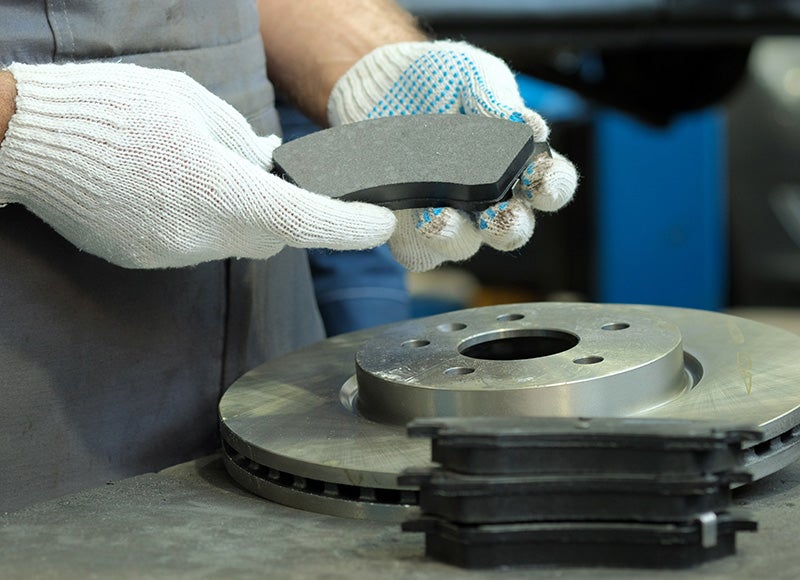
Brakes are a wear system by design. Every stop converts the vehicle's motion into heat, and doing that thousands of times inevitably consumes friction material and puts heat cycles through the rotors and brake fluid. Toyota may engineer its vehicles for long service lives, but no brake pad has been engineered out of physics. That's why routine brake service is important for Macomb drivers: it gives a technician the opportunity to identify normal wear while it's still normal, before one worn component begins damaging another. What Happens Every Time You Press the Brake Pedal A braking system depends on several components doing different jobs at precisely the same time. Brake pads create friction against the rotors, calipers apply the necessary clamping force, and hydraulic brake fluid transfers the driver's pedal input through the system. All of them age differently. Pads gradually lose thickness, rotors can wear or develop surface problems, and brake fluid absorbs moisture over time. As its condition deteriorates, brake fluid can become less effective and contribute to internal corrosion. Routine brake inspection isn't simply about determining if the vehicle still stops; it's about examining the condition of the components responsible for making that happen. Brake Noise Is Information A high-pitched squeal during braking can indicate that the pads are becoming thin. Grinding is considerably more serious and can signal that friction material has worn far enough for components to make damaging contact. Drivers may also notice a soft or spongy pedal, pulling to one side during braking, or a change in how the vehicle responds as the pedal is applied. A brake warning light deserves prompt attention as well, since it can indicate low brake fluid or another problem within the system. These symptoms aren't interchangeable diagnoses, but each provides a reason to have the brakes inspected instead of waiting for the behavior to become worse. A Brake Inspection Is About Measuring, Not Guessing During brake service, a technician can measure remaining pad thickness, inspect the rotors for wear or warping, and evaluate brake fluid level and condition. What happens next depends on what those inspections reveal. Worn pads may require replacement, while rotor condition can call for resurfacing or replacement. Old brake fluid may need to be flushed and replaced, and Toyota models equipped with rear drum brakes may require adjustment. This is why inspection matters: replacing parts based solely on mileage ignores how differently braking systems can wear from one vehicle to another. Driving Conditions Determine How Quickly Brakes Wear There is no single mileage at which every Toyota needs new brake pads. As a general guideline, drivers can benefit from a brake inspection at least once a year or every 12,000 miles, while brake pads may require replacement somewhere between 25,000 and 65,000 miles. That's a broad interval because the driver's right foot and regular driving environment have enormous influence on brake life. Repeated stops generate more friction and heat cycles, so vehicles frequently driven in stop-and-go conditions can consume braking components differently from vehicles spending more time at steady speeds. Macomb-area drivers should use inspection results and their vehicle's service needs to establish an appropriate maintenance schedule. Waiting Can Turn One Worn Part into Several Brake maintenance becomes more expensive when a worn component is allowed to damage another part of the system. Pads that have reached the end of their service life can contribute to rotor damage, while deteriorated brake fluid can affect braking performance and promote corrosion. More importantly, reduced stopping capability is a safety problem long before it becomes a repair-bill problem. Addressing squealing, grinding, pedal changes, pulling, or warning lights promptly gives a technician the opportunity to find the cause while the braking system can still be evaluated methodically. Schedule Toyota Brake Service at Woodrum Toyota of Macomb If your Toyota's brakes have begun making noise, the pedal feels different, or it's simply time for an inspection, bring your vehicle to the service center at Woodrum Toyota of Macomb. Schedule a service appointment to have the pads, rotors, brake fluid, and related components inspected so developing wear can be addressed before it compromises braking performance.